
Investing in Rental Property for Beginners: Tips, Cities & Basics
Investing in rental property remains one of the most dependable ways to generate recurring income. That too, while building long-term asset value. Investors who already know real estate basics need to shift their focus from whether to invest toward developing efficient investment methods.
In this blog, we’ll walk you through a clear, practical approach to investing in rental property for beginners, which enables you to generate income and grow asset value while maintaining your rental properties.
Understanding Rental Property Investment
Investors in rental properties buy real estate to earn income through property leases or short-term rentals. Property returns depend on three factors:
– Location of the property
– Type of the property
– Current market trends
Today, rental performance is driven less by size and more by experience, accessibility, and positioning.
And above all, you need to get the nitty-gritty of rental property investing basics to get it right.
Smart Ways to Invest in Rental Property
- Prioritise cash flow stability
Rental income should create enough funds to handle all operating expenses and debt payments. Properties that deliver steady occupancy provide greater control and predictability.
• Balance yield with appreciation
High-yield assets without long-term value growth often fall short over time. The strongest rental investments deliver current income and future property value growth.
• Reduce operational complexity
Time efficiency matters. Rental assets that can be professionally managed typically outperform those that require frequent owner involvement.
Location and Rental Strategy Go Hand in Hand
Choosing the Right Location
Rental performance depends most on location because it stands as the most important aspect of rental operations.
Holiday home investment near Mumbai continues to attract buyers because they provide quick access to travel, weekend getaways, and business retreat facilities. The combination of these elements results in increased occupancy rates and higher rental prices.
• Rental Models That Work Today
Travellers now prefer private villas and experiential homes instead of staying at traditional hotels. Understanding the benefits of buying holiday home becomes essential when evaluating rental strategies in leisure-driven markets.
Short-term rentals offer higher flexibility and stronger per-night returns. Long-term leasing provides stability with capped upside. The location and asset type will determine which model works best.
Where Rental Property Performs Best
The performance of rental properties varies between different locations. The performance of a property depends mostly on its location, existing demand patterns, and its compatibility with present travel and lifestyle patterns.
The best-performing rental markets share several common characteristics. Read on!
• Close to Major Metro Cities
Properties located a short drive from metro cities benefit from steady weekend and short-stay demand. The property maintains steady occupancy because of its convenient access points which operate throughout the entire year.
• Destination and Leisure-Focused Markets
Hill stations, lake-facing regions, and nature-centric destinations attract travellers looking for private, experiential stays. The markets enable businesses to charge higher nightly rates while securing multiple repeat bookings. For instance, if you’re looking to buy villa near Lonavala, then that’s a smart move.
• Limited-Supply Locations
Areas with restricted development or natural boundaries face less competition over time. The restricted supply of rental properties enables landlords to maintain their rental income while their properties increase in value over time.
• High Tourism and Event Activity
Weddings and retreats, along with seasonal travel create multiple revenue streams for popular wedding venues. The markets maintain their operation throughout the year since they rely on multiple seasonal peaks instead of one major peak.
• Well-Planned Villa Communities
The curated developments operate better because they maintain consistent standards of security and professional management. The improvements to guest experience result in higher occupancy rates and more favorable reviews.
Financial and Asset Planning Considerations
Successful rental operations depend on effective strategic planning. Investors need to assess three factors-
property funding methods
property installation
property usage control systems
These determine the upcoming financial results, operational experience and property market worth.
• Capital Structure and Planning
Most people do not understand how property funding decisions impact business operations. Proper debt management allows you to maintain sufficient cash flow while keeping your business flexible to handle times of reduced income.
Businesses that take on excessive debt face financial challenges when their rental revenue changes. The investment remains free from all financial difficulties because its repayment obligations stay within reasonable limits.
• Rental Readiness and Furnishing
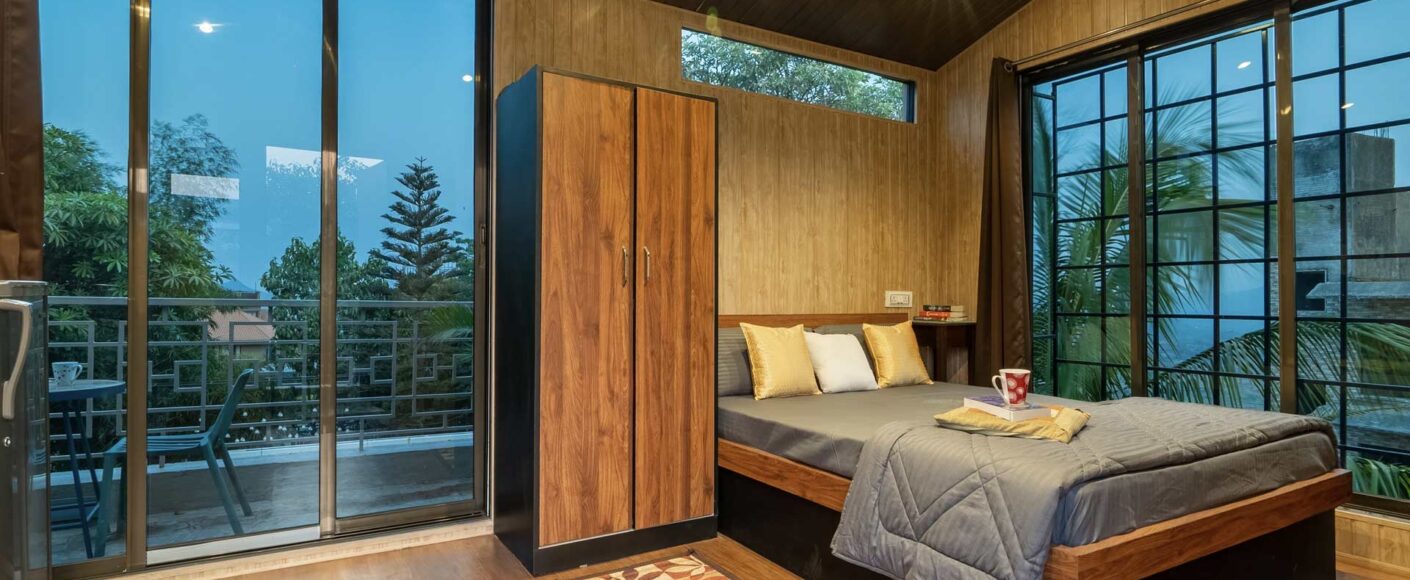
The first day that homes become available for rental generates income for the property. Well-furnished and well-maintained properties with excellent design work attract guests who pay higher rates.
The time needed to furnish space or set up equipment leads to rental opportunity losses because peak travel periods bring high demand. Basic design elements which create comfortable spaces through their combination of materials and features will achieve better results than complicated design approaches.
• Asset Selection Matters
Only certain properties can succeed as rental businesses. The three essential elements of a property include- its location, architectural design and user experience.
This determines the success of the property.
Destination markets show better performance for villas because they provide privacy and scenic views, and expansive outdoor areas, which standard apartments lack. The use of professional management reduces operational challenges while improving operational performance consistency.
Making Rental Property Work Long-Term
Successful rental ownership is rarely about daily involvement. The initial phase needs proper setup procedures to create positive outcomes. The combination of clear ownership structures with properties that meet actual market needs and effective property management systems enables you to achieve your goals.
Final Thoughts
Rental property continues to be a strong investment when approached with clarity and intention. The right location, the right asset type, and a practical operating approach make all the difference. For investors seeking income, appreciation, and personal enjoyment, rental property remains a well-rounded opportunity.