What is a Chalet? Are Chalets Good Vacation Homes?
Chalets are the messengers of the timeless mountain magic. Once simple alpine shelters, they now redefine vacation luxury. What is a chalet? It’s more than architecture. It is a type of wooden house with overhanging eaves, typically found in the Swiss Alps.
The modern chalets are a gateway to escape, renewal, and smart ownership. In a world of fleeting trends, chalets stand enduring. They blend rustic charm with modern appeal. For savvy buyers, they’re not just homes. They’re assets that appreciate with every snowfall.
1. What is a Chalet? Understanding Its Origins
To understand what a chalet is, it helps to begin with its origins. Traditionally, chalets were wooden homes built in the Swiss Alps. They were designed to withstand heavy snowfall, harsh winters, and mountainous terrain. Over time, the architectural style evolved, but the core principles remained intact.
So, what makes a house a chalet?
A chalet is typically characterised by:
- A sloping roof with wide overhangs
- Prominent use of natural materials, especially wood
- Large windows designed to capture views
- Balconies or terraces integrated into the structure
- A design that responds directly to the surrounding landscape
Originally practical in purpose, chalets have since become associated with warmth, retreat, and understated luxury. Modern interpretations maintain the essence while incorporating contemporary comforts.
2. What Does a Chalet Look Like?
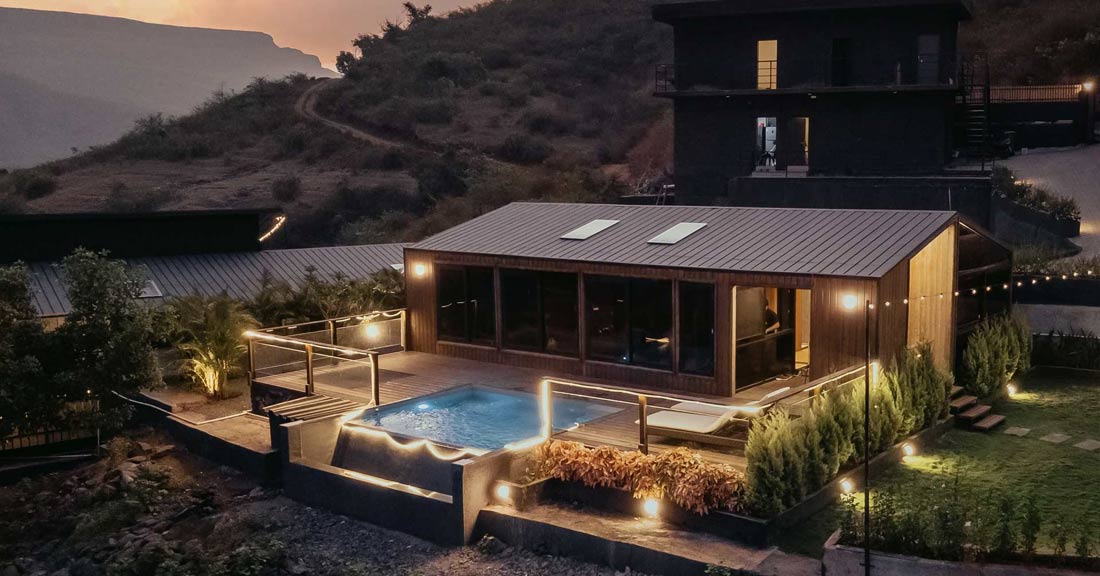
When people ask what does a chalet look like, they often picture a cozy wooden home surrounded by mountains. While that image is accurate in spirit, the design details are more specific.
A traditional chalet-style house usually includes:
- A steeply pitched roof to prevent snow accumulation
- Exposed wooden beams
- Deep eaves extending beyond the walls
- Stone or timber facades
- Expansive windows facing scenic views
Inside, chalet interiors often feature open layouts, high ceilings, and a central living area designed for gathering. Fireplaces are common, not merely as decorative elements but as structural focal points.
In modern hill stations and resort destinations, chalet-style homes blend this traditional framework with contemporary materials like glass, steel, and engineered wood. The result is a property that feels grounded in nature while meeting modern lifestyle standards.
3. What is a Chalet Style Home in Today’s Context?
The question what is a chalet style home today has a broader answer than it did decades ago. While the roots remain alpine, chalet-style architecture is now adapted globally.
Many property buyers exploring mountain architecture also ask what is a chalet style house when researching distinctive vacation home designs.
A chalet-style house today is less about geography and more about design philosophy. It emphasizes:
- Harmony with natural surroundings
- Structural durability in elevated or sloped terrain
- Indoor-outdoor integration
- Warm, organic material palettes
In hill stations and mountain destinations, this design works naturally. The sloped roofs manage rainfall effectively. The extended balconies provide panoramic views. The use of timber creates insulation and visual warmth.
In essence, what is chalet style? It is architecture shaped by landscape, climate, and simplicity.
4. Are Chalets Good Vacation Homes?
Once the structural understanding is clear, the more practical question follows: are chalets good vacation homes?
The answer depends on usage intent. But in most cases, chalet-style homes are particularly well-suited for vacation living.
Lifestyle Advantage
Chalets are designed for slower living. Large common areas encourage gatherings. Balconies and terraces extend usable space. The architecture naturally supports rest and reflection rather than high-density occupancy.
Unlike standard apartments or generic villas, chalet homes feel distinct. They create an immediate separation from city environments. That contrast enhances the vacation experience.
Climate Responsiveness
One reason chalets perform well as vacation homes is structural efficiency. Their design evolved in response to mountain climates. Even in non-snow regions, the sloping roofs and overhangs handle rain and wind effectively.
This makes chalet-style homes durable in hill stations where weather patterns can shift quickly.
5. Long-Term Value and Limited Supply Appeal
Chalet-style properties are often built in locations where land availability is naturally limited. Hill stations and mountain regions typically have development constraints due to terrain and environmental regulations.
This controlled development environment supports long-term value retention.
Because chalet architecture is not mass-produced in urban environments, it also retains a degree of uniqueness. Buyers are not purchasing a replicated design. They are investing in a specific lifestyle asset.
For long-term owners, this distinct identity can strengthen resale appeal over time.
6. Emotional Value Beyond Financial Metrics
Vacation homes operate differently from primary residences. Their value is measured not only in returns but also in usage.
Chalets naturally lend themselves to:
- Extended family stays
- Seasonal living
- Private celebrations
- Quiet retreats
Over time, these experiences build emotional equity. A chalet-style house often becomes a shared family landmark rather than just an investment property.
This dual value—financial stability combined with emotional relevance—is one reason chalet-style homes continue to attract serious buyers.
7. Operational Simplicity Compared to Other Vacation Assets
Another practical advantage of chalet-style homes is operational ease.
Unlike resort apartments with strict rental frameworks or high-rise properties requiring constant oversight, standalone chalets offer greater flexibility. Owners can:
- Use them seasonally
- Leave them unoccupied for extended periods
- Rent selectively if desired
Because chalet architecture prioritises durability and structural resilience, maintenance cycles can be more predictable compared to heavily serviced urban properties.
For buyers seeking a low-friction second home, this simplicity matters.
8. A Balanced Addition to a Property Portfolio
For investors already exposed to city-based assets, chalet-style homes offer diversification.
Urban real estate is performance-driven. It is evaluated by rental yield, connectivity, and density metrics. Chalet homes serve a different purpose.
They provide:
- Geographic diversification
- Lifestyle diversification
- Exposure to regulated hill markets
- Long-term stability rather than short-term speculation
In that sense, chalet-style houses complement city investments rather than compete with them.
Bottom Line
So, what is a chalet?
It is not just a wooden house in the mountains. It is an architectural response to landscape and climate. It is a design language built around durability, warmth, and connection to nature.
What does a chalet look like? Sloping roofs, extended balconies, natural materials, and expansive views.
What is chalet style? A balance between structural practicality and aesthetic simplicity.
Are chalets good vacation homes? For buyers aligned with long-term ownership and meaningful usage, they often are. They offer privacy, emotional depth, and architectural character that generic holiday properties may lack.
In a world where urban living is increasingly dense and fast-paced, chalet-style homes offer something measured and enduring. They are not built for urgency. They are built for continuity.
And that, over time, is what makes them quietly valuable.