
Concrete vs. Wooden Villas: Which One Suits Your Lifestyle?
When choosing a villa, one of the key decisions is selecting the right construction material. Concrete and wooden villas each offer distinct benefits, catering to different lifestyles and preferences. Whether you prioritize durability, aesthetics, sustainability, or maintenance, understanding their differences will help you make an informed decision.
Understanding Concrete Villas
Concrete villas are synonymous with strength and longevity. Built to withstand harsh weather conditions, they provide a sense of security and stability. These villas require minimal maintenance, making them an excellent choice for homeowners looking for a long-term investment.
One of the biggest advantages of concrete villas is their insulation properties. They keep interiors cool during summers and warm in winters, reducing energy costs. Additionally, they offer soundproofing benefits, ensuring privacy and peace within the home. Their fire-resistant nature also adds to their safety appeal, making them a reliable choice for families.
Aesthetic flexibility is another highlight. Concrete villas can be designed in a variety of architectural styles, from sleek modern mansions to rustic countryside retreats. Customization options allow homeowners to incorporate large windows, terraces, infinity pools, and open-plan layouts for a luxurious feel.
Why Choose a Wooden Villa?
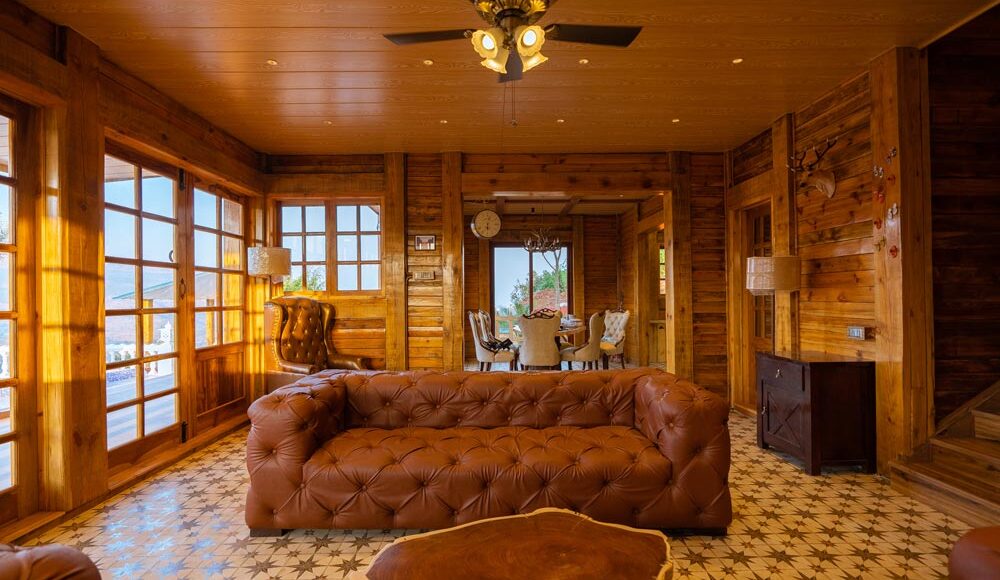
Wooden villas, often inspired by Scandinavian or chalet-style architecture, exude warmth and charm. These homes are perfect for those who appreciate nature and seek a cozy, organic living experience.
A key advantage of wooden villas is their eco-friendliness. Constructed from sustainable materials, they have a lower carbon footprint compared to concrete structures. Wood’s natural insulating properties also help maintain a comfortable indoor temperature, reducing dependency on artificial heating and cooling systems.
Living in a wooden villa enhances one’s connection with nature. The natural texture and scent of wood create a calming atmosphere, making these homes ideal for retreats, vacation getaways, or those who prefer a tranquil lifestyle. Additionally, wooden homes can be constructed relatively faster than concrete ones, making them a great option for those looking for a quicker move-in timeline.
Maintenance & Longevity: What You Need to Know
While concrete villas require minimal maintenance, wooden villas need regular upkeep to protect them from moisture, termites, and weather-induced wear. Proper sealing and periodic treatments can significantly extend the lifespan of a wooden home.
Concrete structures, on the other hand, may develop cracks over time but are generally more resilient. With routine inspections and minor repairs, a concrete villa can last for generations.
Which One is Right for You?
The choice between a concrete and a wooden villa ultimately depends on your lifestyle and priorities.
-
If you seek durability, low maintenance, and modern architectural possibilities, a concrete villa is your best bet.
-
If you prefer a cozy, nature-inspired retreat with sustainability in mind, a wooden villa is the way to go.
Final Thoughts
Both types of villas have their own charm and advantages. Understanding your personal needs, climate conditions, and long-term goals will help you make the right decision. Whether you choose the enduring strength of concrete or the natural elegance of wood, your villa should reflect your lifestyle and aspirations.

0 Comments
This is exactly what i was looking for, thank you so much for these tutorials
It would be great to try this theme for my businesses
What a nice article. It keeps me reading more and more!